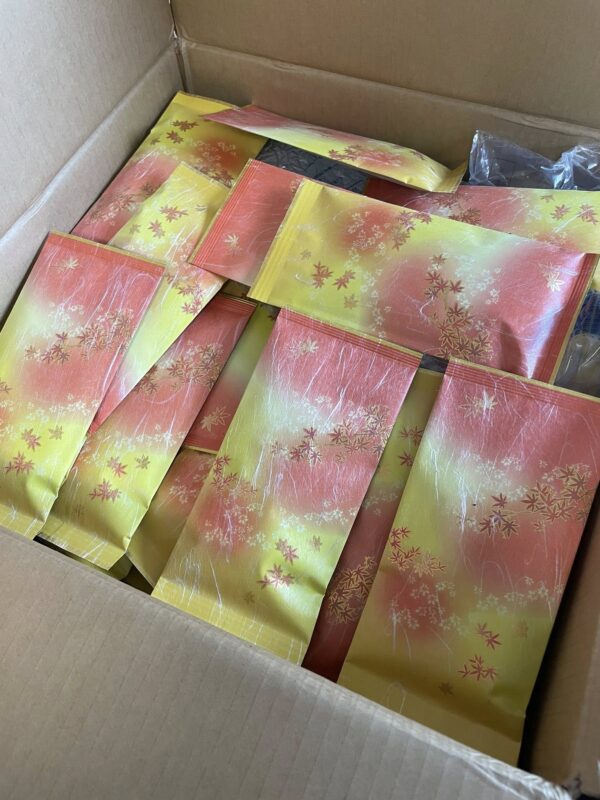
I’ve seen quite a few shops offering GABA tea from Japan, and honestly, it never really tempted me. For several years now, we’ve been bringing in an excellent GABA tea from Taiwan—a more heavily roasted, rolled oolong made from the… Continue Reading →

As I’ve already mentioned before (or maybe warned you 😅), matcha prices in Japan have gone up sharply. On average, we’re talking about an increase of around 40%. In Kyoto, the increase is said to be as high as 180%…. Continue Reading →
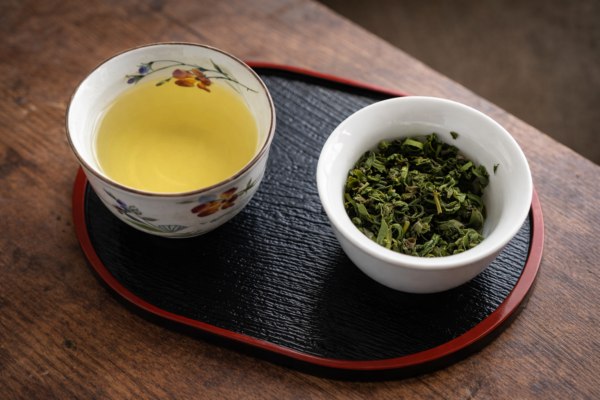
Japanese oolong is a remarkable tea that brings together elements of Japanese, Taiwanese, and Chinese tea traditions. This semi-oxidized tea sits both visually and in flavor somewhere between green and black tea. In Japan, loose-leaf oolong is far less common… Continue Reading →

In the final years of his life, Tokugawa Ieyasu—the first shōgun of the Tokugawa dynasty and the man who unified Japan—chose the region of Suruga as his place of retreat. He was drawn to its mild climate and peaceful landscape…. Continue Reading →
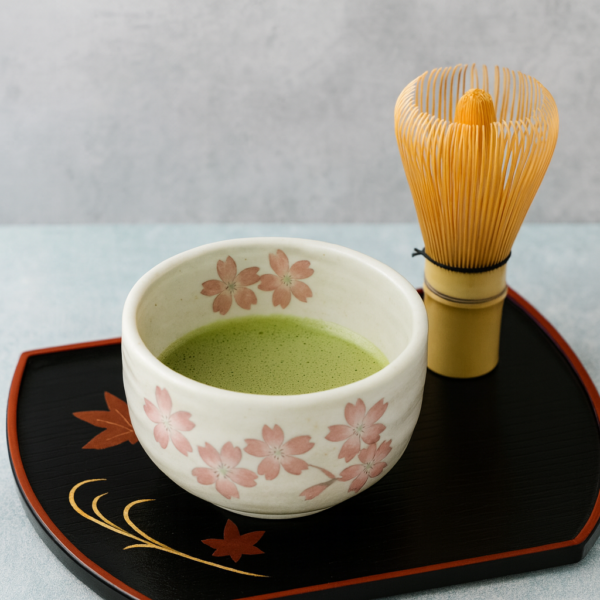
Recently, I had a long conversation with Alex from Kunming (as most of our conversations tend to be). We talked about the difference between “premium” and “ceremonial” matcha—and about what premium tea actually means more broadly. In China, the term… Continue Reading →

I want to be clear from the start.I sell matcha because I care about tea. Not because matcha is trendy, and not because it looks good on Instagram. For me, matcha is still tea. That means one simple thing:if a… Continue Reading →
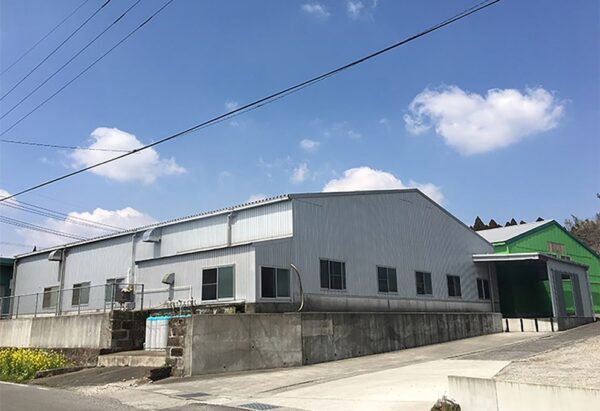
Until recently, Shizuoka Prefecture operated a sophisticated and seemingly unbreakable tea production system. Farmers cultivated tea, processing factories transformed fresh leaves into raw tea (arachā), which was then refined into sencha, and households enjoyed loose-leaf second-harvest sencha as part of… Continue Reading →
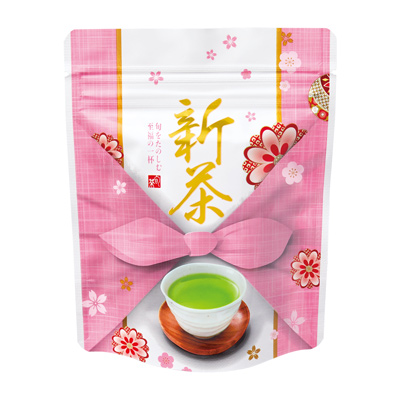
Ichouka (萎凋香) is a term that deserves a bit of explanation, because it describes something quite special in Japanese tea processing. Put together, Ichouka can be understood as “an aroma created through withering.” What does that mean in practice? The… Continue Reading →

When you come across someone who presents themselves as an expert on Japanese tea but focuses exclusively on matcha—or on the tea ceremony (chadō)—it is worth keeping a few basic facts in mind. In Japan, green tea accounts for roughly… Continue Reading →
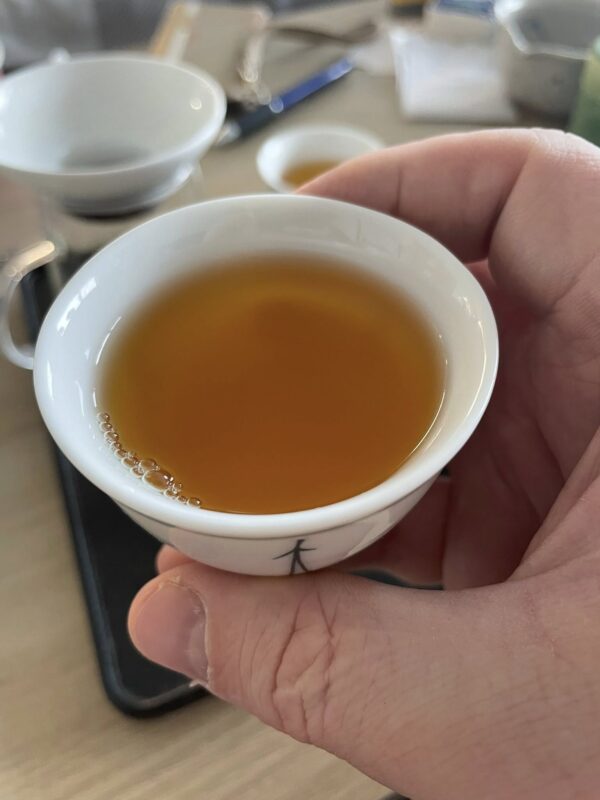
This year, I let myself be influenced a little by my friend Michael Škála. I ended up cancelling an order for Sencha Fushun and asked instead for an oolong made from the same cultivar. In Japan, wakocha or more heavily… Continue Reading →
© 2026 Martin 木野 Labudík — Powered by WordPress
Theme by Anders Noren — Up ↑


