


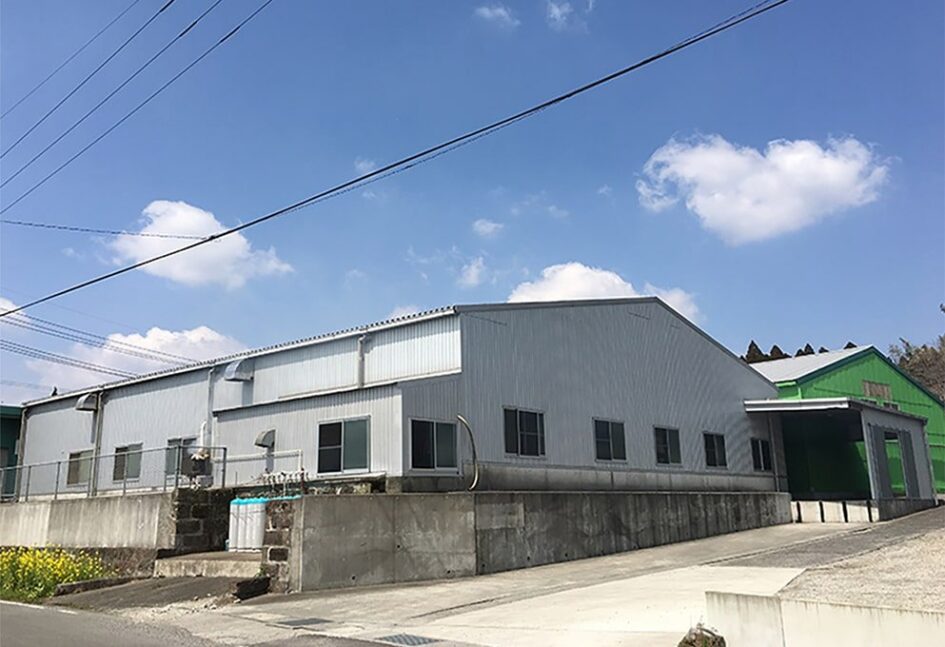
Until recently, Shizuoka Prefecture operated a sophisticated and seemingly unbreakable tea production system. Farmers cultivated tea, processing factories transformed fresh leaves into raw tea (arachā), which was then refined into sencha, and households enjoyed loose-leaf second-harvest sencha as part of everyday life. It was a stable, interdependent ecosystem—one that functioned smoothly for decades.
Today, that system is under severe strain.
For many tea farmers, processing factories were essential infrastructure. Freshly harvested leaves must be delivered quickly to facilities equipped with the technology and expertise required to produce raw tea (荒茶). This division of labor allowed farmers to focus entirely on cultivation, while factories and traders handled processing and distribution.
For a long time, the model worked flawlessly. Farmers produced, factories processed, merchants sold.
The turning point came with a decline in domestic consumption of loose-leaf tea. As younger generations gravitated toward ready-to-drink beverages—particularly tea sold in PET bottles—the balance began to shift. Large beverage companies stepped into a dominant position, signing direct contracts with farmers that guaranteed stable volumes and fixed prices.
From the farmer’s perspective, this arrangement is logical. It offers security and predictability in an increasingly uncertain market. For processing factories, however, it has been devastating.
As beverage companies absorbed more of the available leaf supply, small and mid-sized processing facilities lost their core suppliers. Without a stable inflow of fresh leaves—and without guaranteed sales channels—many factories found themselves operating on increasingly thin margins.
Rising energy costs and equipment maintenance only accelerated the decline. For many operators, continuing production meant accepting the risk of consistent losses. In recent years, dozens of processing factories have shut down entirely. Others made a strategic retreat, abandoning second-harvest processing and focusing solely on first-flush tea (ichibancha), where higher margins can still be achieved through tencha and matcha production.
The consequences for the domestic loose-leaf tea market are significant. When farmers no longer have factories to deliver to—and factories no longer exist—the total volume of loose tea naturally declines. Increasingly, raw material flows directly to beverage companies. What remains available to the traditional market becomes scarcer and more expensive.
For sencha drinkers, this means higher prices, reduced choice, and the gradual disappearance of everyday, affordable tea.
We may be witnessing the end of an era—one in which loose-leaf tea was a standard feature of Japanese households, supported by a finely balanced ecosystem of farmers, processors, and merchants. The question now is whether this trajectory can be reversed, or whether loose-leaf tea will inevitably become a niche luxury rather than a daily staple.
I still remember how my okaasan prepared tea at home for the entire family: one spoon of ichibancha blended with two spoons of nibancha. It was her practical, economical way of enjoying good tea every day. She was born in Shizuoka and belonged to a generation for whom tea was not a lifestyle choice or a specialty product—but an inseparable part of life itself.
Leave a Reply